
Expert Picks For Repairing Kitchen Stools Effectively
Choose from trusted tools and materials recommended by repair professionals to ensure durable and seamless stool fixes.
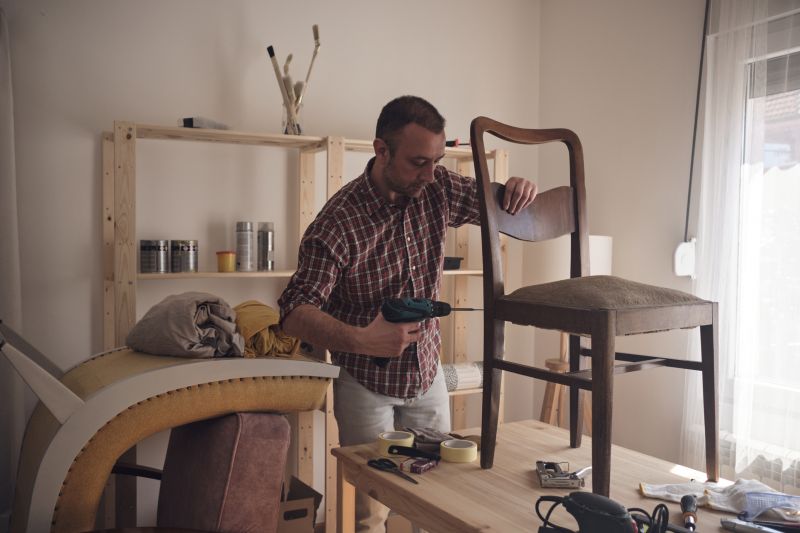 Kitchen stools are versatile and functional pieces that often see frequent use, which can lead to wear and tear over time. Common issues include loose joints, wobbling seats, damaged legs, and worn-out finishes. Addressing these problems typically involves selecting appropriate repair products to restore stability and appearance. Repairing a stool can be a straightforward process when using the right materials, allowing for a cost-effective way to prolong its lifespan without the need for complete replacement.
Top Overall Option
Multi-Purpose Furniture Repair Kit
A comprehensive furniture repair kit offers a versatile selection of adhesives, fillers, hardware, and tools suitable for various stool repair needs. It provides everything necessary for fixing loose joints, repairing surface damage, and reinforcing structural components, making it a practical choice for DIY enthusiasts and professionals alike.
Types of Products For Kitchen Stool Repairs
Wood Glue and Clamps
Ideal for reattaching loose joints and repairing broken wooden components, ensuring a strong bond and stability.
Metal Epoxy Putty
Suitable for repairing bent or broken metal parts, providing a durable and moldable solution.
Furniture Touch-Up Markers
Used to conceal scratches, scuffs, and minor surface imperfections for a refreshed appearance.
Replacement Hardware Kits
Includes screws, bolts, and brackets necessary for tightening or replacing loose or missing hardware.
Patching Compounds and Filler Sticks
Designed to fill cracks, holes, or gouges in wood surfaces for a smooth finish before refinishing.
Sandpaper and Abrasives
Essential for smoothing repaired surfaces and preparing them for painting or staining.
Spray Paint and Finish
Provides a new coat of color or protective finish to restore or customize the stool's appearance.
Leg Braces and Support Bars
Used to reinforce weak or wobbly legs, enhancing stability and safety.
Rubber Feet and Pads
Help prevent slipping and protect flooring from scratches, while also stabilizing uneven legs.
Varnishes and Sealers
Apply to protect repaired surfaces and extend the lifespan of the finish.
Cushion and Upholstery Repair Kits
Useful for replacing or repairing padded seats for added comfort and appearance.
Popular Choices
Versatile adhesives compatible with various materials, commonly used for quick fixes.
All-in-one kits that contain multiple repair components suitable for different stool issues.
Support and stabilize wobbly or uneven legs, often adjustable for a custom fit.
Popular for concealing surface imperfections and preparing for finishing.
Preferred for strong, durable repairs on metal components.
Convenient for fast fixes on cracks and small damages.
Commonly used to prevent floor damage and improve stability.
Popular for restoring color and finish with minimal effort.
For restoring comfort and appearance of padded stool seats.
Widely used to hold parts securely during repairs and drying processes.
Many repair projects involve tightening or replacing hardware such as screws, bolts, or brackets, which can become loose with repeated use. For structural repairs, wood glue and clamps are often used to reattach or reinforce joints. Surface repairs might include sanding and refinishing to restore the original look or to prepare the surface for a new coat of paint or stain. Selecting suitable repair products depends on the specific damage and the material of the stool, whether wood, metal, or a combination.
In addition to basic hardware and adhesives, there are specialized repair kits designed specifically for furniture and stool repairs. These kits often include multiple components such as patching compounds, filler sticks, and touch-up markers, providing a comprehensive solution for various repair needs. Proper preparation and the right selection of repair products can ensure a durable and visually appealing result, extending the life of your kitchen stool and maintaining its functionality.
Whether you are fixing a wobbling wooden stool or repairing a metal-framed one with bent legs, understanding the different types of repair products available can help you make informed decisions. From simple hardware replacements to more involved structural repairs, there are options suited for every level of DIY skill. Investing in quality repair supplies can make the process easier and lead to better long-term results, helping your kitchen stool serve reliably for years to come.
Key Buying Considerations
- Identify the material of the stool (wood, metal, or composite) to select compatible repair products.
- Assess the type and extent of damage to determine whether hardware replacements or surface repairs are needed.
- Consider the repair project's complexity and your skill level when choosing tools and kits.
- Check for the availability of replacement hardware components like screws, bolts, and brackets.
- Select adhesives and fillers that match the material and finish of your stool for seamless repairs.
- Evaluate the drying or curing time required for adhesives and fillers to ensure proper bonding.
- Look for products that offer durability and long-lasting adhesion suited for regular use.
- Choose repair products that allow for finishing options such as sanding, staining, or painting.
- Ensure the repair kit includes all necessary tools or additional supplies for a complete fix.
- Consider the safety instructions and compatibility with indoor use, especially in kitchen environments.
- Review customer feedback to gauge the effectiveness and ease of use of the repair products.
- Determine if the repair products are suitable for the specific type of damage, like cracks, loose joints, or surface scratches.
- Think about the aesthetic outcome and whether touch-up or refinishing products are needed.
- Budget for quality repair supplies that offer reliable results without overspending.
- Check for availability of replacement parts if your stool has unique or proprietary hardware.
This page contains affiliate links. We may earn a commission if you purchase through these links, at no additional cost to you.